
Indoor and outdoor lighting installation in Spokane
Better light where you cook, work, gather or walk after dark. We install and update indoor and outdoor lighting, with wiring and controls planned for the space.
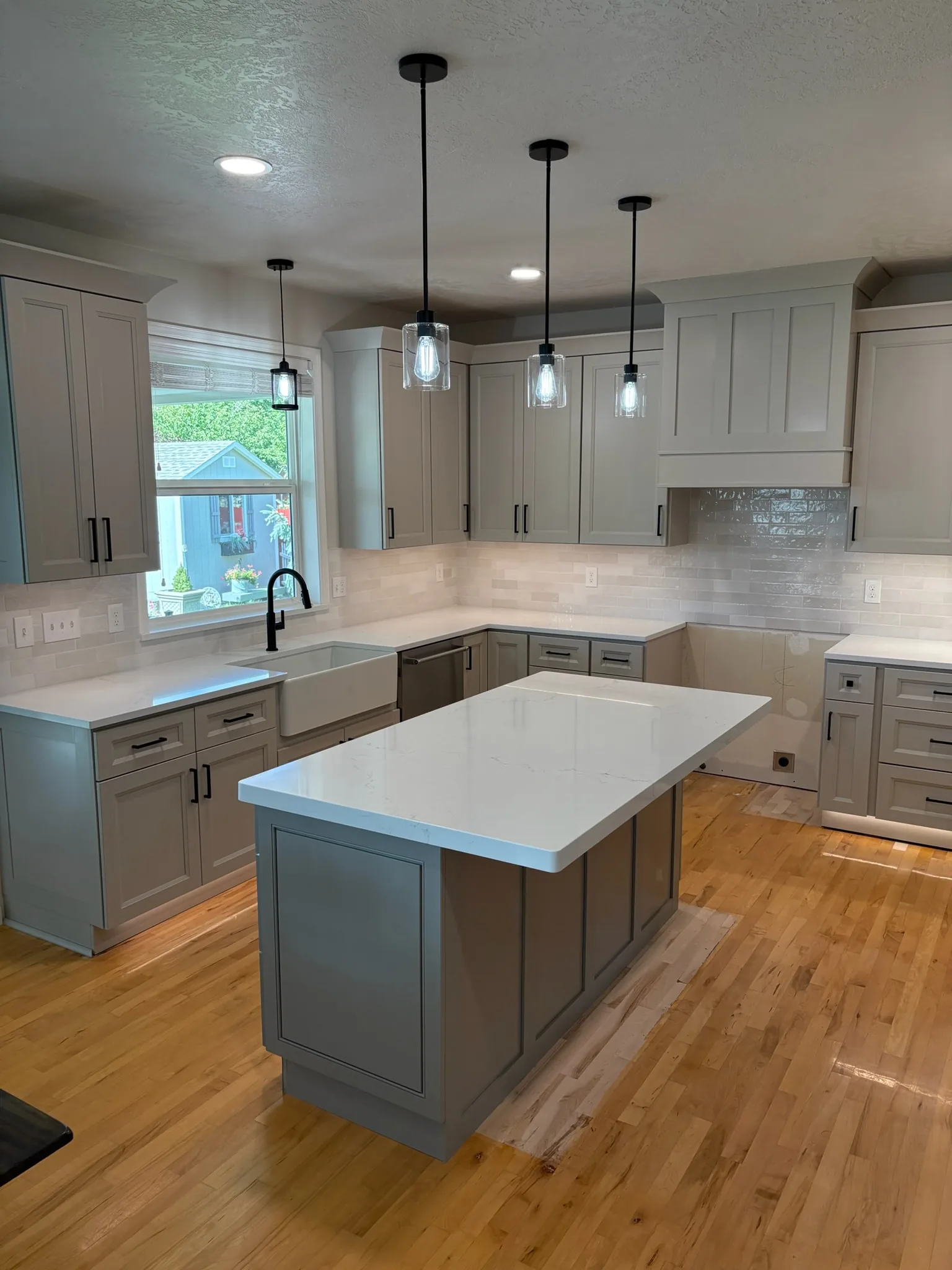
Recessed lighting installation
One ceiling light in the middle of the room leaves corners dim and shadows everywhere. Well-planned recessed lighting fixes that, and it starts with the layout, not the fixtures.
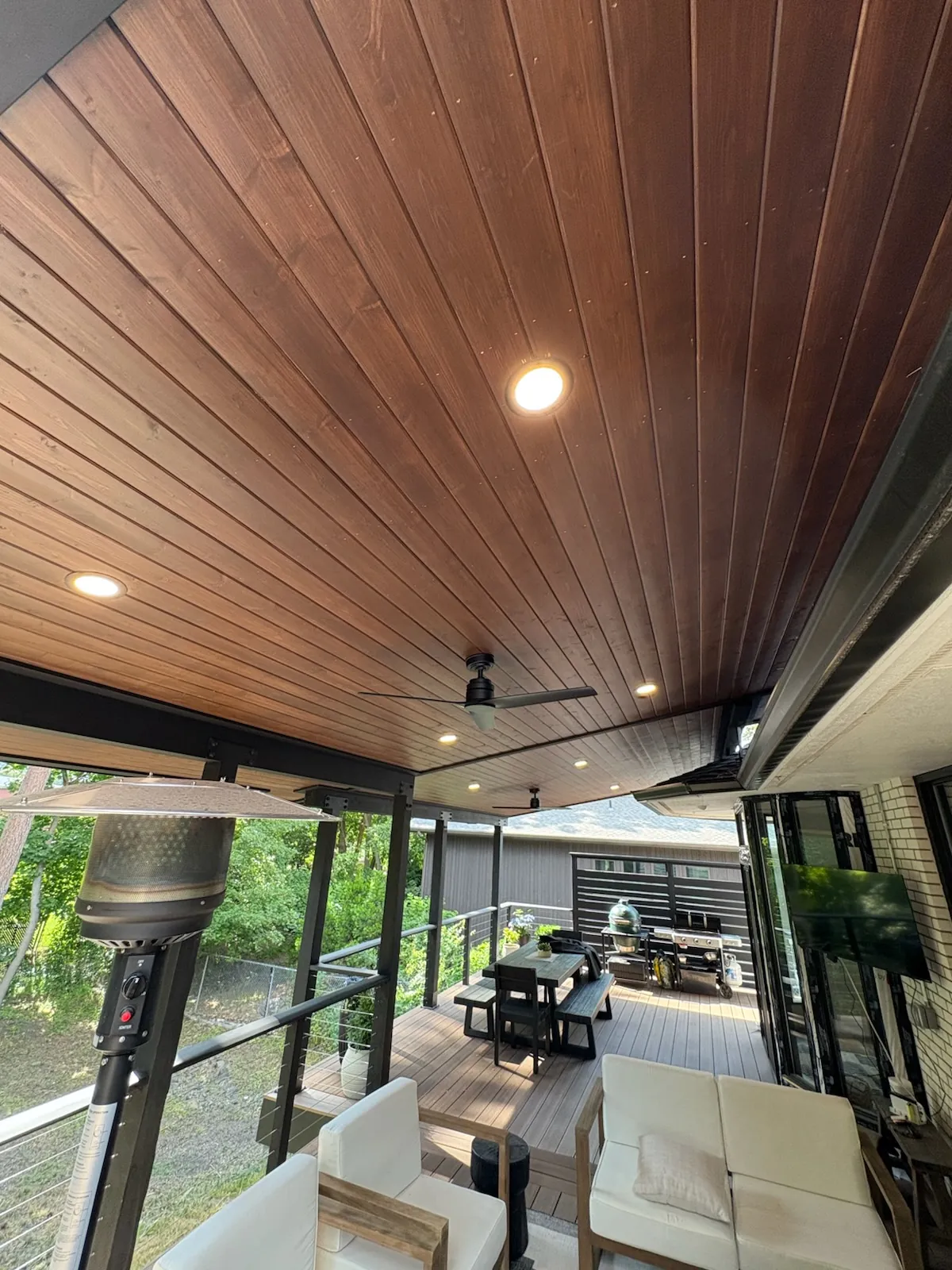
Exterior and outdoor lighting installation
A dark driveway, a porch light you can't see by and a back yard nobody uses after sunset. Good exterior lighting makes the house safer and more usable, and it has to survive our winters.
- Plan the light: Where you need to see, what should be lit for security, and keeping light aimed down, not into neighbors' windows.
- Pick rated fixtures and controls: Wet- or damp-location rated fixtures, plus motion sensors, photocells or timers.
- Wire it weather-tight: Sealed boxes and entries, in-use covers on outlets, GFCI protection where required.
- Test and aim: We aim fixtures and set sensors so they do what you want.
About lighting installation
A room can have enough fixtures and still feel dark in the places that matter. Outside, glare and poorly placed lights can be as frustrating as not having enough light. We start with how you use the space.
From recessed ceiling lights to a covered patio or entry fixture, we check the existing wiring, placement, switching and equipment rating before work begins.
Recessed lighting is worth a look if…
- Your kitchen counters are in your own shadow.
- A basement or bonus room relies on lamps.
- You're remodeling and the ceiling is open anyway.
- Your existing can lights are old, hot, or flicker on the dimmer.
- You want lighting on dimmers you can set by room.
How a recessed lighting project comes together
- Step 1
Lay it out
We plan spacing around how you use the room: task light where you work, even light where you live, and clear of joists and ducts.
- Step 2
Pick the right fixtures
Canless LED wafers or housings, color temperature, brightness, and trims. Fixtures in an insulated ceiling must be rated for it.
- Step 3
Wire and switch
New circuits or extended ones, routed through existing ceilings with as little patching as possible, with compatible dimmers.
- Step 4
Test and tidy
Every light and every dimmer setting checked, and the work area cleaned up after.
Code, safety and permits
Details that make recessed lighting work
Rated for insulation
Fixtures that touch insulation need to be IC-rated, and in insulated ceilings, airtight. It matters for safety and your heating bill.
Dimmers matched to the fixtures
Most flicker and buzz problems come from mismatched dimmers and LEDs. We use combinations that work together.
Circuit capacity checked
LEDs draw little, but we still confirm the circuit and any existing wiring in the ceiling are sound before adding to them.
Minimal patching
In finished ceilings we route carefully to keep drywall repairs small.
What affects a lighting project
Attic access
Ceilings with an attic above are simpler than ceilings under a second floor.
Number of lights and switches
More zones and dimmers mean more wiring.
Existing wiring
Older wiring in the ceiling may need attention before it's extended.
Fixture choice
Canless wafers, housings and decorative trims vary.
Questions people ask about lighting installation
How many recessed lights does a room need?
It depends on ceiling height, the fixtures' output and how the room is used. A kitchen needs more task light than a bedroom. We lay it out with you rather than using a one-size grid.
Canless LED or traditional cans?
Canless LED wafers are slim, efficient and easier to fit into existing ceilings. Traditional housings let you change trims and bulbs later. Both are good; we'll suggest one for your ceiling.
Can you add recessed lights to a finished ceiling?
Yes, usually through the fixture holes themselves with only small access cuts. Ceilings below a second floor take more planning than ceilings with an attic above.
Why do my LED lights flicker on the dimmer?
Usually the dimmer isn't compatible with the LED fixtures. Replacing the dimmer with a matched one fixes most cases.
Can you add lights where there's no existing wiring?
Usually, yes. We'll find the best way to get power to the new location with the least disruption.
Ready when you are
Tell us about your project.
Rather talk it through?
(509) 808-1925